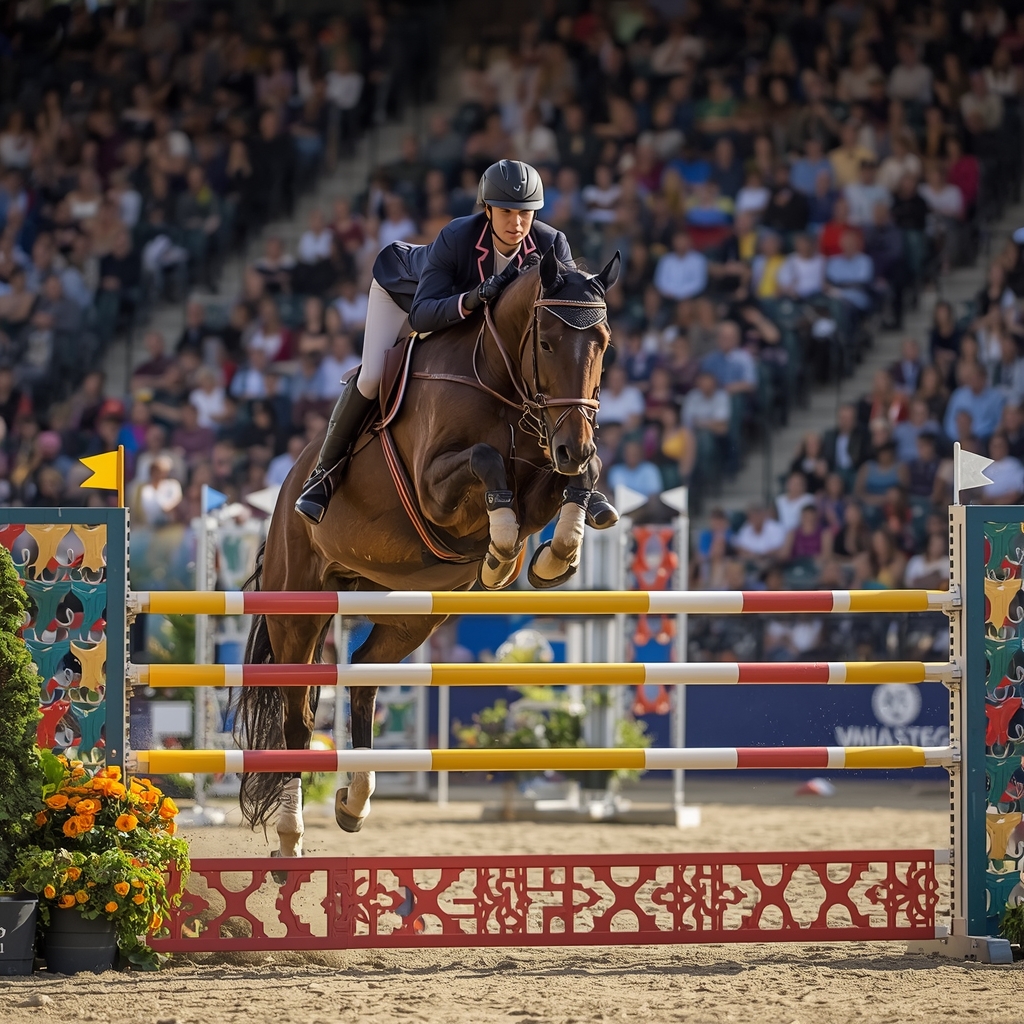
When temperatures soar during a heatwave, seeking shade becomes vital… and it’s not just a human reflex! For our equine friends, French regulations also mandate a certain level of comfort. But what exactly does the mandatory shelter for a horse in a pasture entail? How do we reconcile equine welfare, animal protection, and legal requirements? Here’s a breakdown from a professional rider’s perspective, with a touch of humor!
The law on sheltering horses in pastures during heatwaves: protection that can't be invented
Regulations regarding the requirement for shelter for horses change depending on the weather, but one point remains clear: every horse must have adequate protection from the sun, rain, wind, and other inclement weather. The decree of October 25, 1982, governs the keeping of animals outdoors, mandating protection against these elements. In short, your horse shouldn't be playing superhero in the blazing sun without shade or shelter.
Be warned, though: the law doesn't mandate a "rigid shelter" sign. No, it leaves the door open to natural shelters, provided they're suitable. A dense thicket, a bushy hedge, or a cleverly designed feature can stylishly replace concrete. But if your trees offer little cover, you'd better think again! A small patch of shade that fades before noon is practically a recipe for a fine.
Why the shade is the star of summer and not just a bonus
According to the French Horse and Riding Institute (IFCE), horses spend between 25 and 35% of their time seeking shelter, primarily to escape direct sunlight. Surprising? Not really, when you consider that a horse, unlike us, tolerates warm air better than direct sunlight on its coat. Heatwaves, therefore, are more about shade than thermometers.
So, at 2 p.m. during a heatwave, the million-dollar question for the owner is: do all your horses have access to cool shade at the same time? If the answer is no, it's a serious blow to equine welfare, which can quickly tip the balance in terms of... regulation and liability.
How can you judge if your horse shelter is compliant in the middle of summer?
A shelter is not judged solely by the number of walls or roofs. It is a matter of real shade, ventilation, multiple access points, in short, a veritable little 5-star hotel for horses that want more than just a bit of morning shade.
Some criteria that make the difference:
A shaded area is essential between noon and 5 p.m., critical hours when the sun is strongest. Orientation is even more important: the shelter must be sheltered from the prevailing winds but, above all, offer optimal protection against the intense afternoon sun.
Air must circulate! A stuffy, enclosed shelter can be worse than a sauna. The floor must remain clean to avoid attracting flies or causing foot problems for our favorite tramplers.
And obviously, multiple access points so that the leader of the herd doesn't turn the shelter into an exclusive VIP area for his own benefit.
For those who aren't fortunate enough to have dense woodland or natural hedges, there's no need to panic: a mobile shelter remains a sensible, flexible, and adaptable solution, suitable for both the terrain and the season. We've even dedicated pages to mobile shelters, comparing materials and models to guarantee a cool haven for your horses.
In short, the law The message is clear: "No shelter, no pack!" Or almost. Shelter is a moral and legal obligation that puts your horse at a disadvantage in extreme weather conditions like heat waves.
Beyond shelter: other essentials in the face of the heatwave
Of course, shelter isn't everything. During heat waves, fresh, clean water is essential. A horse can drink 30 to 50 liters a day when the air heats up severely. Add to that a ration of mineral salts or electrolytes to compensate for perspiration, and you already have a hero worthy of an equestrian saga.
Finally, try to schedule your work sessions during cooler hours, early in the morning or at dusk, to avoid unnecessary heatstroke. And for those who still believe in summer blankets, this old thermal trick should be avoided: it doesn't protect you from the sun but traps the heat, thanks but no thanks!
For a horse suffering from severe weather, the IFCE recommends hosing it down gradually, thoroughly scraping off the water, and above all, remaining vigilant about your companion's breathing and overall demeanor. In short, don't panic, but be prepared!